Audio version
0:00
Someone looking for a restaurant decides in under a minute, almost always on their phone, often standing in the street or sitting through a meeting that is dragging on. They do not read your story. They check four things and move on if one is missing.
The four answers, in this exact order
- When are you open? Above all: now, or this evening?
- What can we eat, and roughly what does it cost?
- Where is it, and how do I get there?
- How do I book, right now?
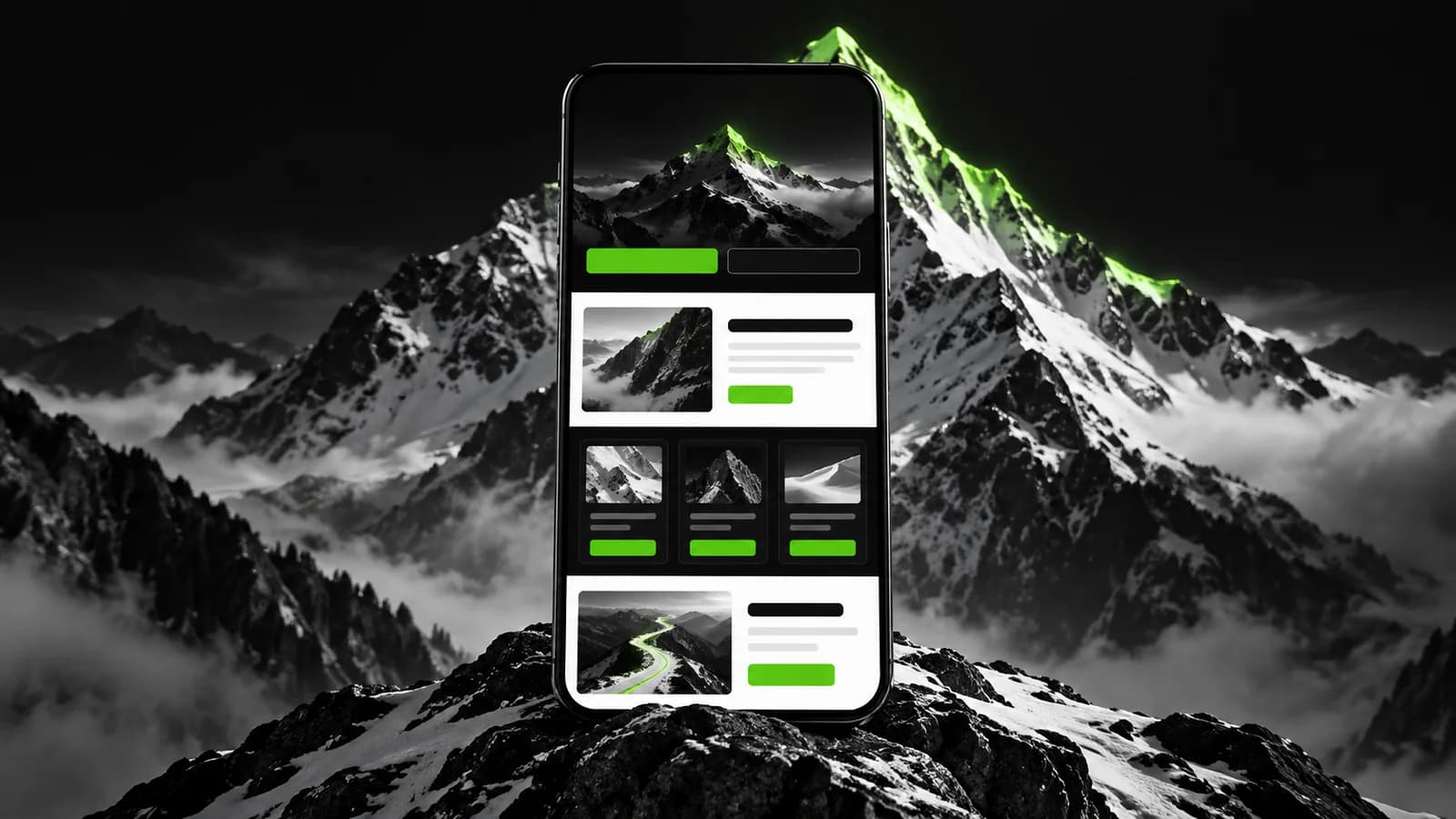
Those four answers need to fit on the first phone screen. Anything pushing them further down costs you diners, without you ever knowing.
Why a text menu changes everything
Your dishes are search queries. ‘Royal couscous Reims’, ‘gluten-free restaurant Nantes’, ‘wood-fired pizza near me’: people are looking for exactly what you serve, but will never find you if your dishes are locked inside an image or PDF.
A text menu solves three problems at once. It is instantly readable on mobile, takes two minutes to update without going back to a designer, and makes every dish discoverable.
Show your prices. A customer who cannot find them assumes it is expensive and moves to the next restaurant. Hiding prices protects nothing; it simply filters customers out for the wrong reason.
One reference for opening hours
The classic trap: one set of hours on the website, another on Google and a third on Facebook. Within three months they differ, and a customer makes the journey to find the door closed. That is the worst possible outcome, because they do not come back and they tell other people.
Make the Google profile your reference, because that is where most people look, and align everything else with it. Remember exceptional closures too: holidays, public holidays and private events. The profile lets you declare them.

Online booking: useful, with a caveat
It captures bookings outside opening hours when nobody can answer the phone, and removes the back-and-forth for groups.
However, platforms often charge a fee per diner and put you in direct competition with neighbouring restaurants on their own interface. A commission-free booking tool on your website preserves the relationship and the margin.
Keep a clickable phone number clearly visible too. A substantial share of customers prefers calling, especially for the same evening.
Photos are your strongest selling point
This is the one trade where a photo sells directly. Three categories are enough: the food, the dining room and the team. Never use stock photos. A customer who recognises a generic burger photo concludes that yours was not worth showing.
Take them on your phone in daylight, near a window: the result is perfectly good and it is real. Refresh them when the menu changes, and add new ones regularly to your Google profile to show the business is active.
What your website should say beyond your profile
The Google profile already covers the basics: hours, address, reviews, directions and photos. The right question is therefore what a website adds, rather than simply whether you need one.
- The complete, up-to-date menu, with prices, as text.
- Lunch deals, which change often and attract specific searches.
- Private hire, groups and events: high-margin revenue that the profile cannot explain properly.
- Dietary requirements, including vegetarian, gluten-free and halal: these are searches in their own right, with strong intent.
- Gift vouchers, takeaway and direct delivery without commission.
The budget
A restaurant website that does its job costs between €1,200 and €4,000. This is not a trade where sophisticated design changes the number of diners: a readable menu, accurate hours, real photos and a booking button do.
The calculation is quick. At an average spend of €35, a €2,500 website pays for itself with around sixty additional diners. That is two busy services.
Frequently asked questions
01Should the menu be a PDF on the website?
No. A PDF is slow, hard to read on a phone and gives Google almost nothing to extract, making your dishes hard to find. The menu should be text on the page, with prices shown.
02Is a Google profile enough for a restaurant?
For hours, the address and reviews, yes. A website adds what the profile cannot cover: a full menu with prices, lunch deals, private hire, dietary options and direct sales without commission.
03Should online bookings go through my website or a platform?
Platforms bring visibility but often charge per diner and place you alongside neighbouring competitors. A booking tool on your website preserves your margin and the relationship. Many restaurants keep both and promote their own.
04How much does a restaurant website cost?
Between €1,200 and €4,000. This trade does not reward sophisticated design: a readable menu, accurate hours, real photos and a booking button are what fill the dining room.